Byron Chrysovergis · · 2 min read
The Distribution Problem Nobody Wants to Solve
Why the best immersive films win awards at Venice and then disappear, and why the real bottleneck isn't production, but the distribution infrastructure nobody has built yet.
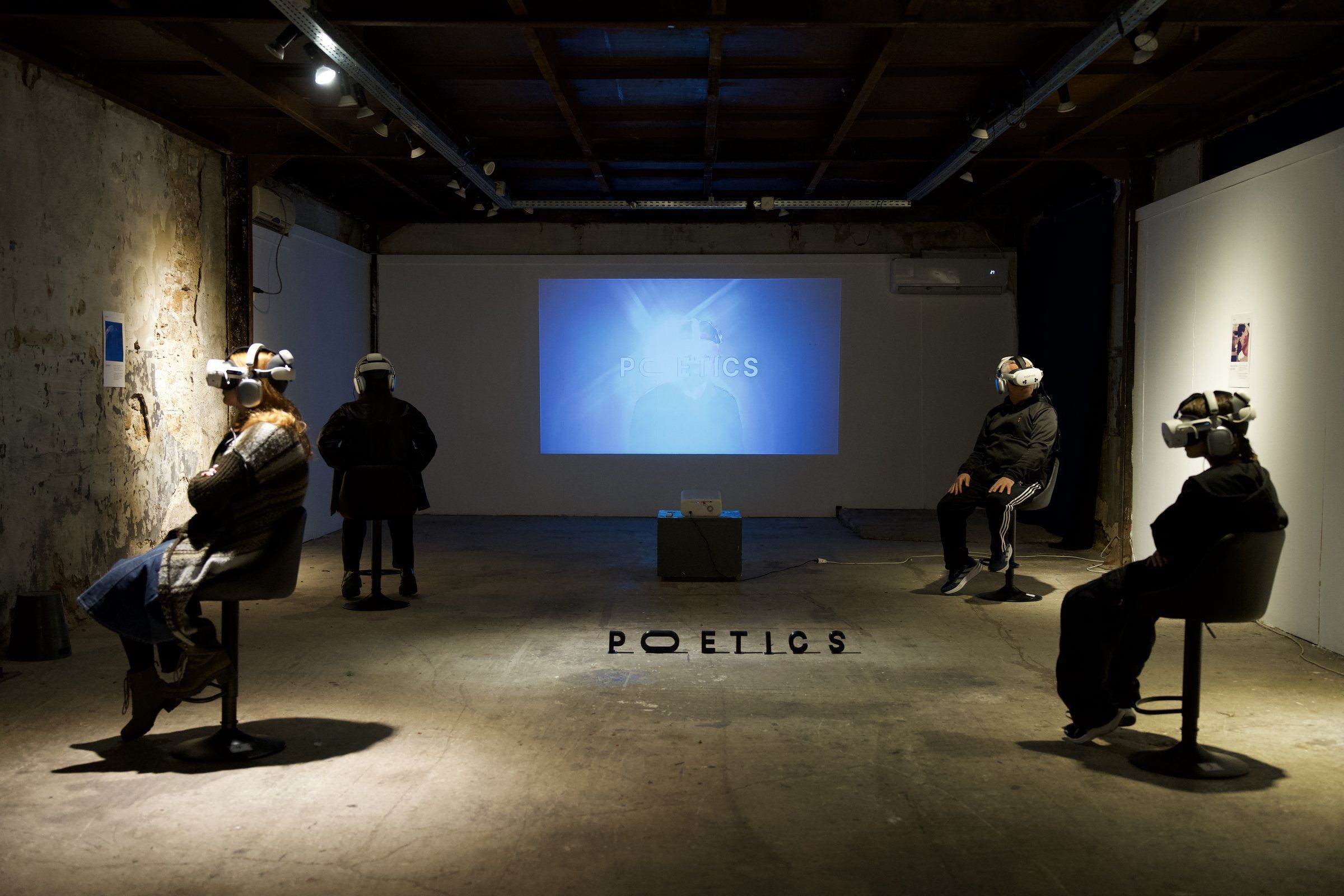
In 2023, Venice Film Festival hosted a Think Tank on immersive content distribution. Twenty-one industry professionals sat in a room and tried to answer a simple question: why can’t the best VR films reach an audience?
Two years later, the question is still open.
The creative output is extraordinary. Venice, Sundance, Tribeca, Cannes all have dedicated immersive sections. Works win Grand Jury Prizes. Critics call them groundbreaking. And then, after the festival closes, most of these works essentially disappear.
This isn’t a production problem. It’s a distribution problem. And it’s the reason we built Poetics.
The festival trap
A creator spends two or three years making an immersive film. They premiere at a major festival. Great reviews, maybe an award. And then, what? There’s no theatrical circuit for VR. No standardized exhibition infrastructure. No equivalent of the arthouse distributor who picks up an indie film and puts it in 200 cinemas.
The Venice Think Tank put it bluntly: there’s a fundamental disconnect between what’s being produced and what the market can absorb. Creators often don’t budget for distribution because there’s no clear distribution pathway to budget for.
The result is festival visibility that doesn’t convert into sustained audience access or revenue. Recognition without reach.
What distribution actually requires
The missing piece isn’t more content. It’s infrastructure, both physical and operational.
A VR film needs a place to be shown, equipment to show it on, someone trained to operate the screening, a rights framework that works for temporary installations, and a feedback loop that tells the creator how their work performed. Today, each of these is handled separately, if at all.
At Poetics, we’ve been building exactly this. Over 1,500 screenings across cultural venues, festivals, and pop-up spaces. Standardized setups. Curated programming. Trained operators. A 4.92/5 satisfaction score. Not from VR enthusiasts, but from general audiences, many trying immersive cinema for the first time.
The demand is there.
Not a niche problem
Every new art form has faced a version of this. Cinema itself needed decades to develop the theatres, distribution networks, and release windows that made it a mass medium. Immersive cinema is at the beginning of that same path.
The difference is we don’t have to build from scratch. We have venues. We have audiences. We have world-class content. What we need is the connective tissue. The operational layer that makes it repeatable, scalable, and sustainable.
It’s a design problem.